
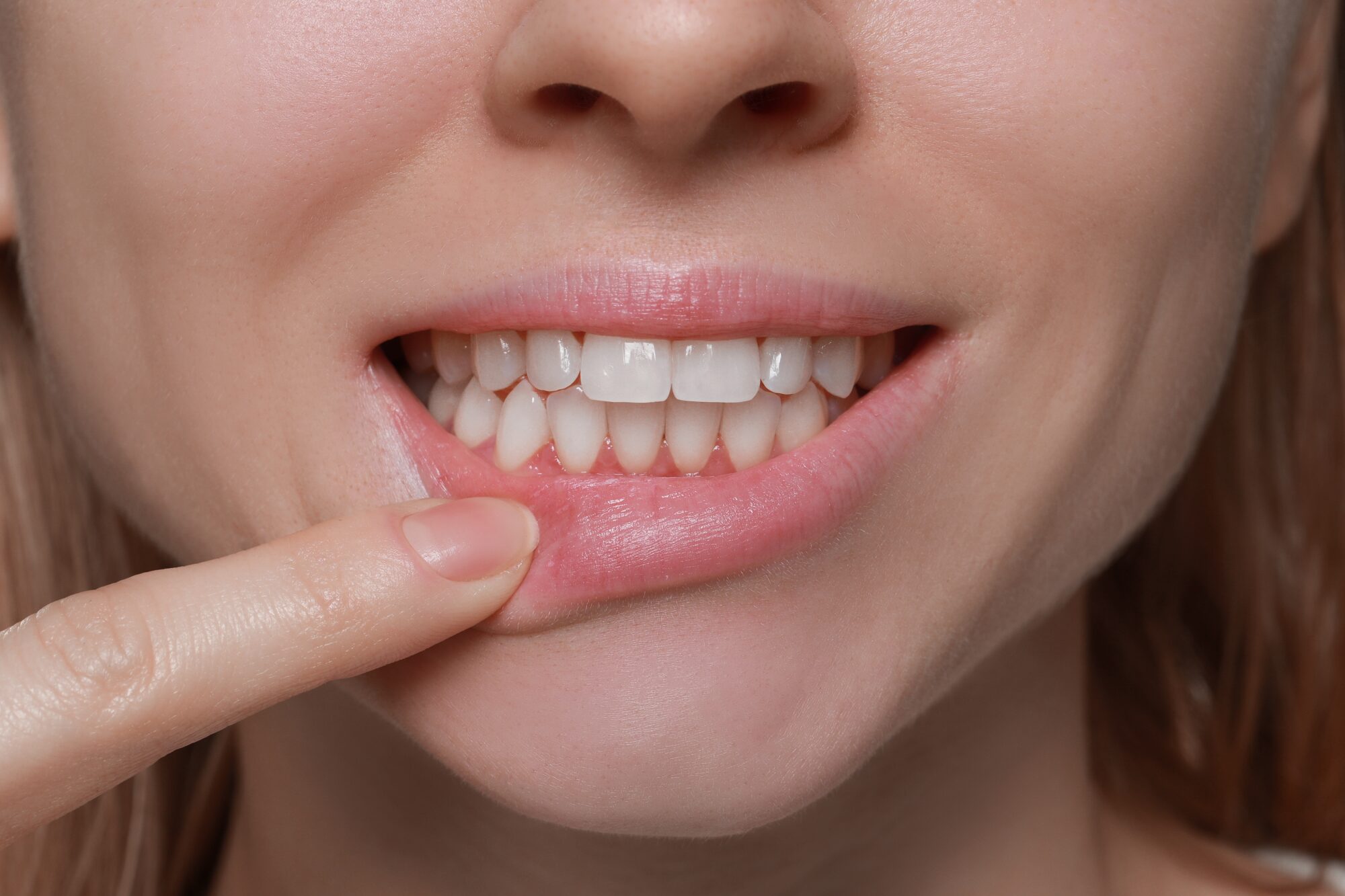
If you’ve ever wished you could improve the shape, color, or overall appearance of your smile, you may have heard about dental veneers. Veneers are a popular cosmetic dentistry option designed to enhance the look of teeth while maintaining a natural appearance.
But what exactly are veneers — and how long do they last?
Understanding how veneers work, what they’re made of, and what affects their longevity can help you decide whether they’re the right option for your smile goals.
What Are Dental Veneers?
Dental veneers are thin, custom-made shells that are bonded to the front surface of teeth. They are typically made from porcelain or composite resin and are designed to improve the appearance of teeth that may be:
- Discolored — Stains that don’t respond to whitening
- Chipped or worn — Minor damage affecting shape
- Uneven — Slight irregularities in size or contour
- Gapped — Small spaces between teeth
- Mildly misaligned — Minor alignment concerns
Veneers are carefully crafted to match the color, shape, and size of surrounding teeth, helping create a balanced and natural-looking smile.
How Do Veneers Work?
The veneer process usually involves several steps:
1. Consultation and Evaluation
A dentist evaluates oral health, discusses cosmetic goals, and determines whether veneers are an appropriate option. Healthy teeth and gums are typically required before cosmetic treatment begins.
2. Tooth Preparation
A small amount of enamel is gently removed from the front surface of the tooth. This step allows the veneer to sit flush with surrounding teeth and look natural.
3. Impressions and Custom Design
Impressions are taken so the veneers can be custom-crafted to fit each tooth precisely.
4. Bonding
Once ready, the veneers are bonded securely to the teeth using dental adhesive. After placement, they function much like natural enamel.
What Are the Benefits of Veneers?
Veneers are popular because they offer several cosmetic advantages:
- Natural appearance — Designed to blend seamlessly with surrounding teeth
- Stain resistance — Porcelain veneers resist staining better than natural enamel
- Long-lasting results — Durable materials designed for daily function
- Conservative treatment — Less invasive than crowns in many cases
- Immediate transformation — Noticeable improvement in a short time
For many patients, veneers provide a way to achieve a brighter, more uniform smile with long-lasting results.
How Long Do Veneers Last?
The lifespan of veneers depends on several factors, including the material used and how well they are maintained.
- Porcelain veneers — Typically last 10 to 15 years or longer with proper care
- Composite veneers — Often last 5 to 7 years
Porcelain is generally more durable and resistant to staining than composite resin, which is one reason it is commonly recommended for long-term cosmetic improvements.
What Factors Affect the Lifespan of Veneers?
Several factors can influence how long veneers last:
- Oral hygiene — Consistent brushing and flossing help protect both veneers and underlying teeth
- Grinding or clenching — Excess pressure can shorten veneer lifespan
- Diet habits — Frequent consumption of staining foods and beverages may affect composite veneers
- Regular dental visits — Professional exams help monitor veneer condition
- Overall oral health — Healthy gums and supporting structures are essential
With proper care, veneers can remain functional and attractive for many years.
Do Veneers Require Special Care?
Veneers do not require complicated maintenance, but they do benefit from consistent oral hygiene.
- Brushing twice daily with a non-abrasive toothpaste
- Flossing daily to maintain gum health
- Avoiding biting on hard objects such as ice or pens
- Wearing a nightguard if grinding is present
- Attending routine dental checkups
Although veneers are strong, they are not indestructible. Protecting them helps extend their lifespan.
Are Veneers Permanent?
Because a small amount of enamel is removed during preparation, veneers are considered a permanent cosmetic treatment. Once placed, veneers typically need to be replaced rather than removed entirely.
Replacement may be necessary due to:
- Normal wear over time
- Damage or chipping
- Changes in surrounding teeth
- Gum recession
A dentist can assess when replacement is appropriate.
Are Veneers Right for Everyone?
Veneers are best suited for patients who:
- Have generally healthy teeth and gums
- Want to improve cosmetic concerns
- Do not have significant untreated decay
- Do not have advanced gum disease
Patients with more complex structural issues may require alternative treatments before considering veneers.
A thorough evaluation helps determine candidacy and ensures long-term success.
Veneers vs. Other Cosmetic Options
Depending on the concern, veneers may be compared to other treatments:
- Teeth whitening — Best for discoloration without structural issues
- Dental bonding — Suitable for small chips or minor corrections
- Orthodontic treatment — Recommended for moderate to severe alignment concerns
Each option addresses different cosmetic goals, and the right solution depends on the individual’s smile.
Considering Veneers in Land O’ Lakes, FL?
If you’re thinking about improving your smile and want to explore whether veneers are right for you, the team at Land O’ Lakes Dental Care can help guide you through your options.
We provide personalized cosmetic evaluations and take the time to understand your goals, ensuring treatment plans are tailored to your needs. If you’re ready to learn more about veneers or other cosmetic solutions, contact our office today to schedule a consultation.